Happy Bank Holiday Readers! If you have enjoyed a long weekend like those of us in the UK, then I hope it has been peaceful, and filled with a bit too much chocolate. My weekend has been consumed with baking, reading, swimming, and stealing moments of tranquility in nature in between the showers of rain. Following on from my post last week, where I wrote about finding myself visited by an old foe, I have been taking as much time as I can to be in nature. Nature is my therapy, my haven. It is the place I retreat to when I need perspective, and so I made the most of a long weekend to get back into my place of healing. I explored, got lost, and found a haven of paradise drenched in bluebells and cuckoo flowers. Bathed in dappled sunshine I stood in the valley, watching a buzzard spiralling into the sky, and a herd of deer grazing on the hillside. It was truly tranquil. I could have stayed there in the symphony of nature for hours, however I retreated from the valley when the sun sunk below the tree-line and a cool breeze rolled in. I came back to a blanket filled sofa and this week’s book, Cider with Rosie by Laurie Lee.
Cider with Rosie, by Laurie Lee
Cider with Rosie is the vivid memoir of Laurie Lee, telling the tale of his remote village childhood surrounded by fields, woods, eccentric neighbours, rural schooling and wild imagination. It reflects on the last years of a village enjoying freedom from modern invention, a peaceful image shattered in Lee’s early teens by the chugging of the first motor car up the narrow road. It was soon followed by charabancs and motor bikes, and the days of silent village life were over. Having grown up around Stroud, near Laurie Lee’s village, I sometimes yearn for a more peaceful time, for life before mobile phones, travel, convenience, pollution. I am lucky to be one of the last generations who can remember an early childhood untainted by mobile technology. My days were spent outdoors, exploring the rolling hills of our Cotswold home, or the sprawling wilderness of my Grandma’s garden. Lee reminds me, however, how lucky we are to have some of the comforts of modern life. I have never had to spend a night freezing cold (except when my hot-blooded husband insists on opening the bedroom window mid-winter), nor have I had to worry about food on the table. When I yearn for a simpler time it is not without being grateful for all the comforts and conveniences that come with modern life. Lee’s childhood is a testament to a life before technology, when life, though not without its hardships, was simpler.
Lee’s writing is a poetic journey for the senses. In every page you can see, smell, taste, all the world around young Laurie. The floral wine of Granny Wallon, the sharp snuff of Granny Trill, the beech-twig fire that warmed the kitchen hearth, and the smell of a large family kitchen, spices, old rags, candle wax. Lee has a fantastic ability to describe details poetically, metaphorically, whilst conjuring in your mind the clearest image of what he remembers. I can picture Granny Trill, chewing her gums in ecstasy after a good sniff of snuff, I can picture his mother bent over a large vat of porridge in the kitchen, and his siblings working away at whatever childish or adolescent fancy took hold of them that day. You are there, in the book, beside Lee as he navigates his first days of school, has his first giddy sip of wine, and experiences the tragedies of remote village life with all the innocent wonder of a child. At points the narrative feels so familiar it is easy to forget what century Lee is writing about; a childhood full of blackberries, and wild countryside, and rampant imagination, in many aspects it mirrors my own (with a couple less gum-chewing grannies); and then you are brought back to reality with a reminder of the past…”there was a £5 a year wage”. Lee was reflecting on his mother’s childhood in the late 1800’s, and suddenly it all felt very alien, very distant. But a few sentences later and you are back with Lee in the crowded kitchen of his family home as his sisters shelter from the cold and the boys fill tins with smouldering rags to keep them warm on winter excursions.
Lee is a beautiful storyteller, drawing you into his tale with a wonderful blending of poetry and prose, and Cider with Rosie has earned a place in my all-time favourite books. It is a beautiful recollection of a childhood long gone, free from the conveniences, complexities, and constraints, of modern life.
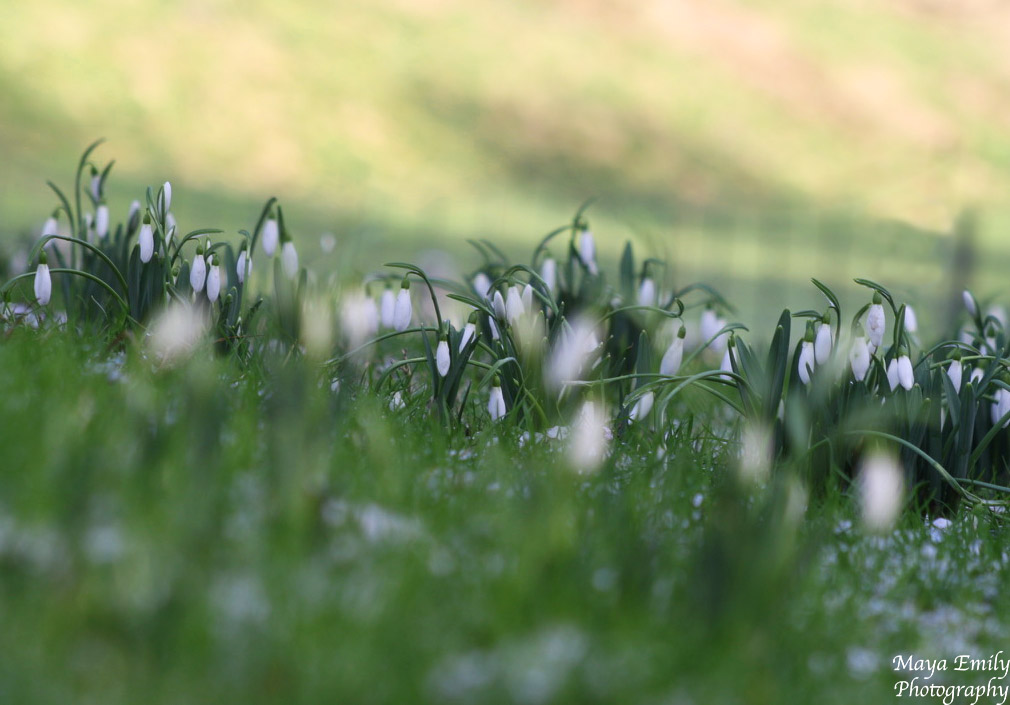
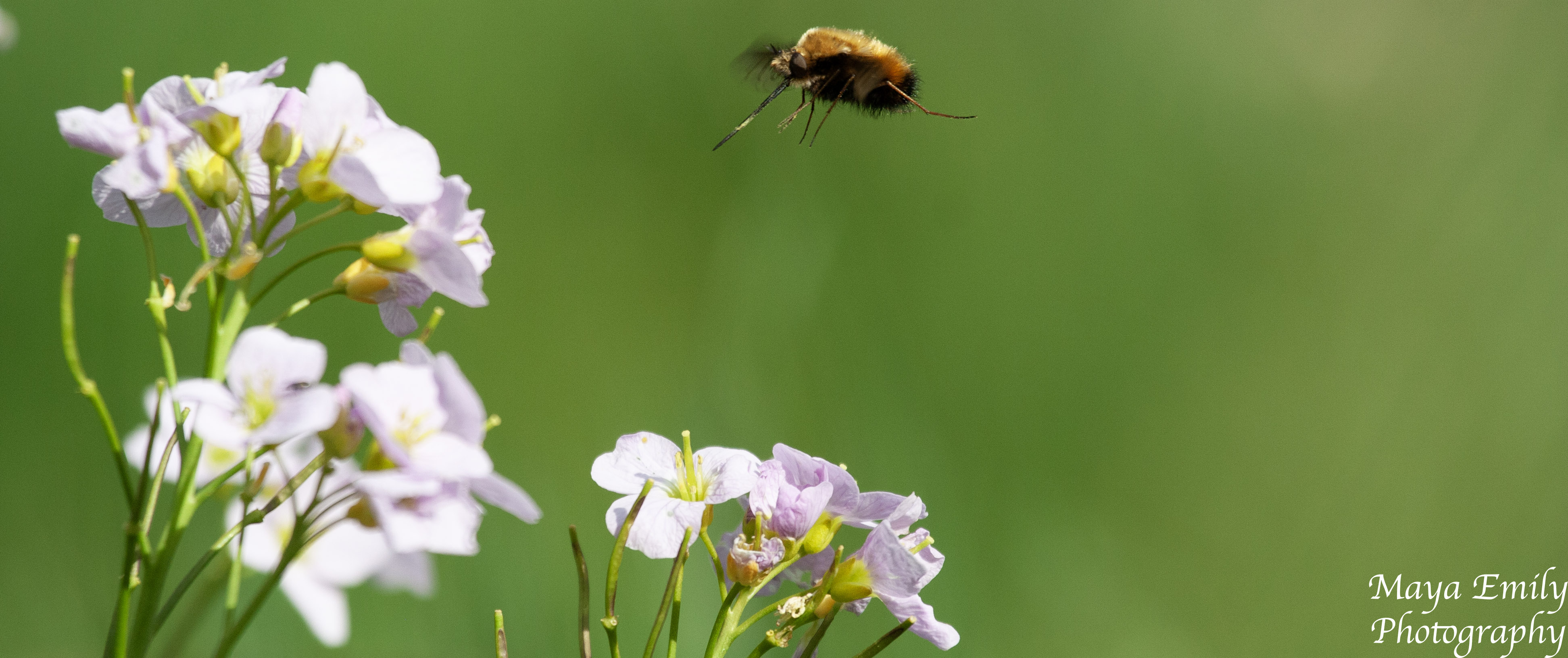
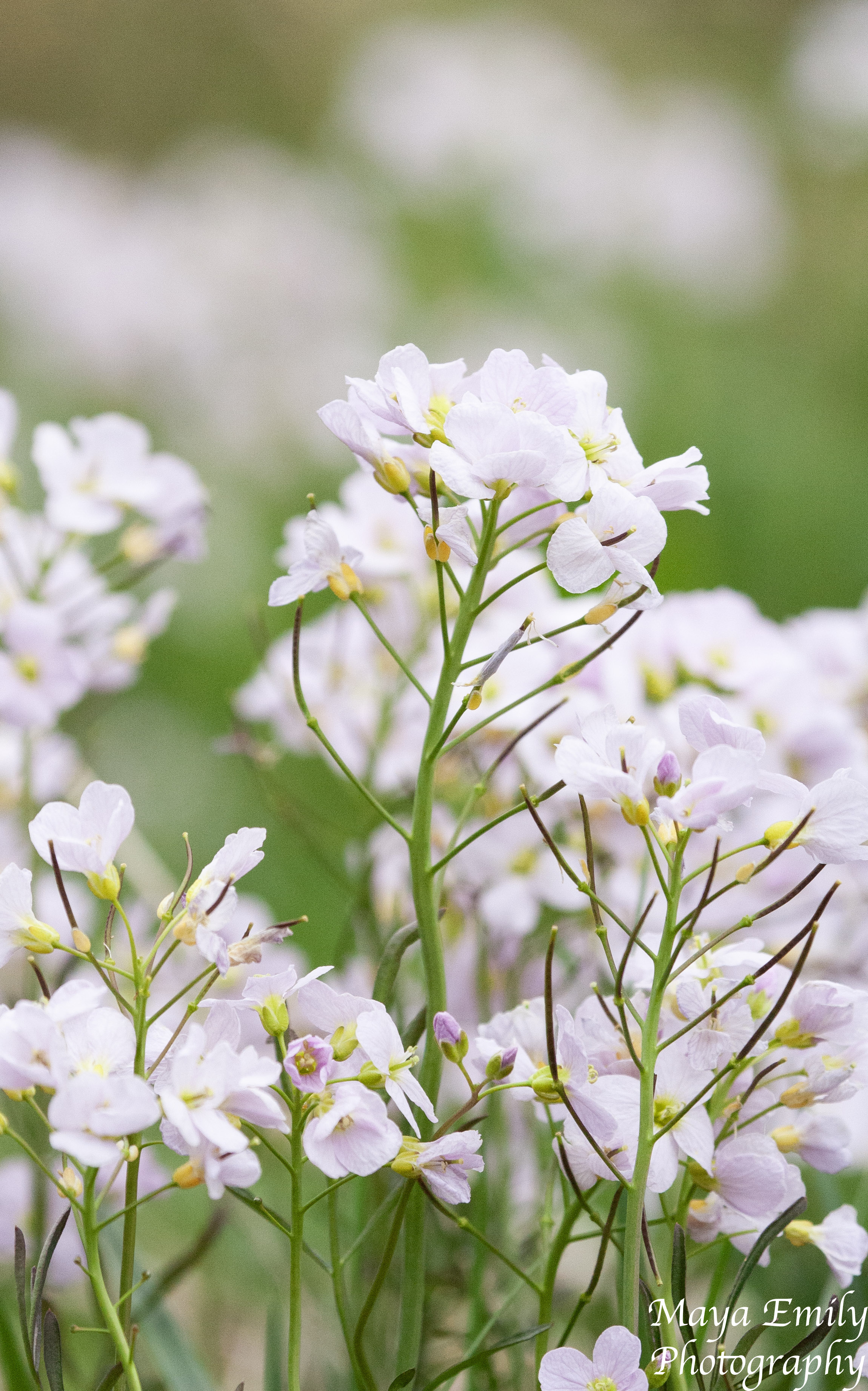
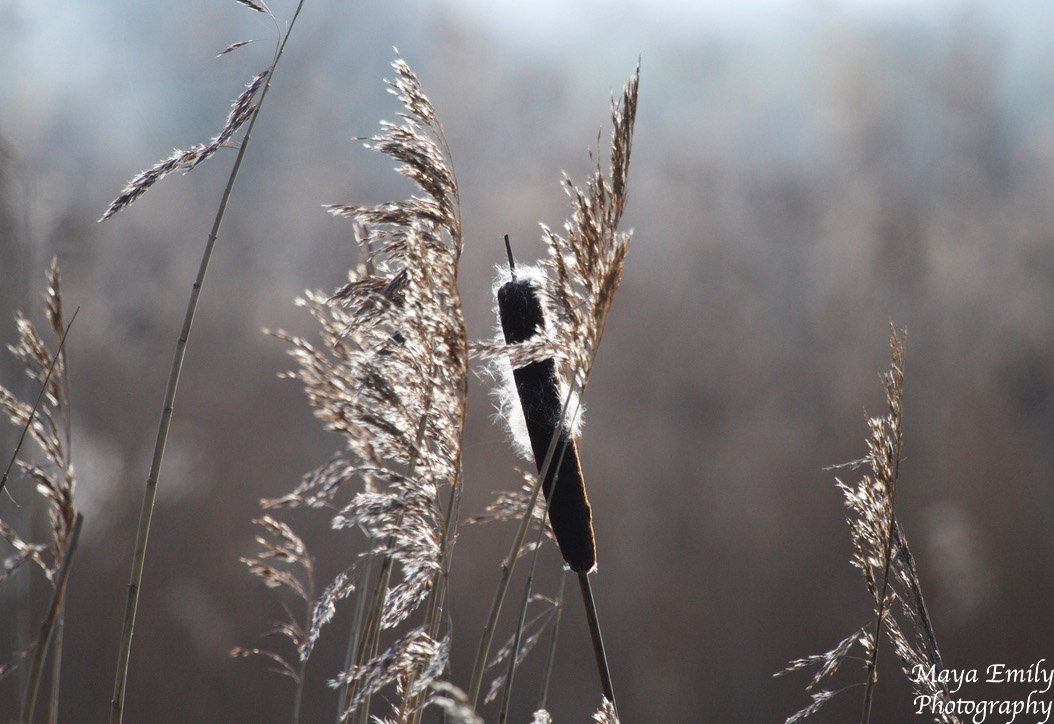
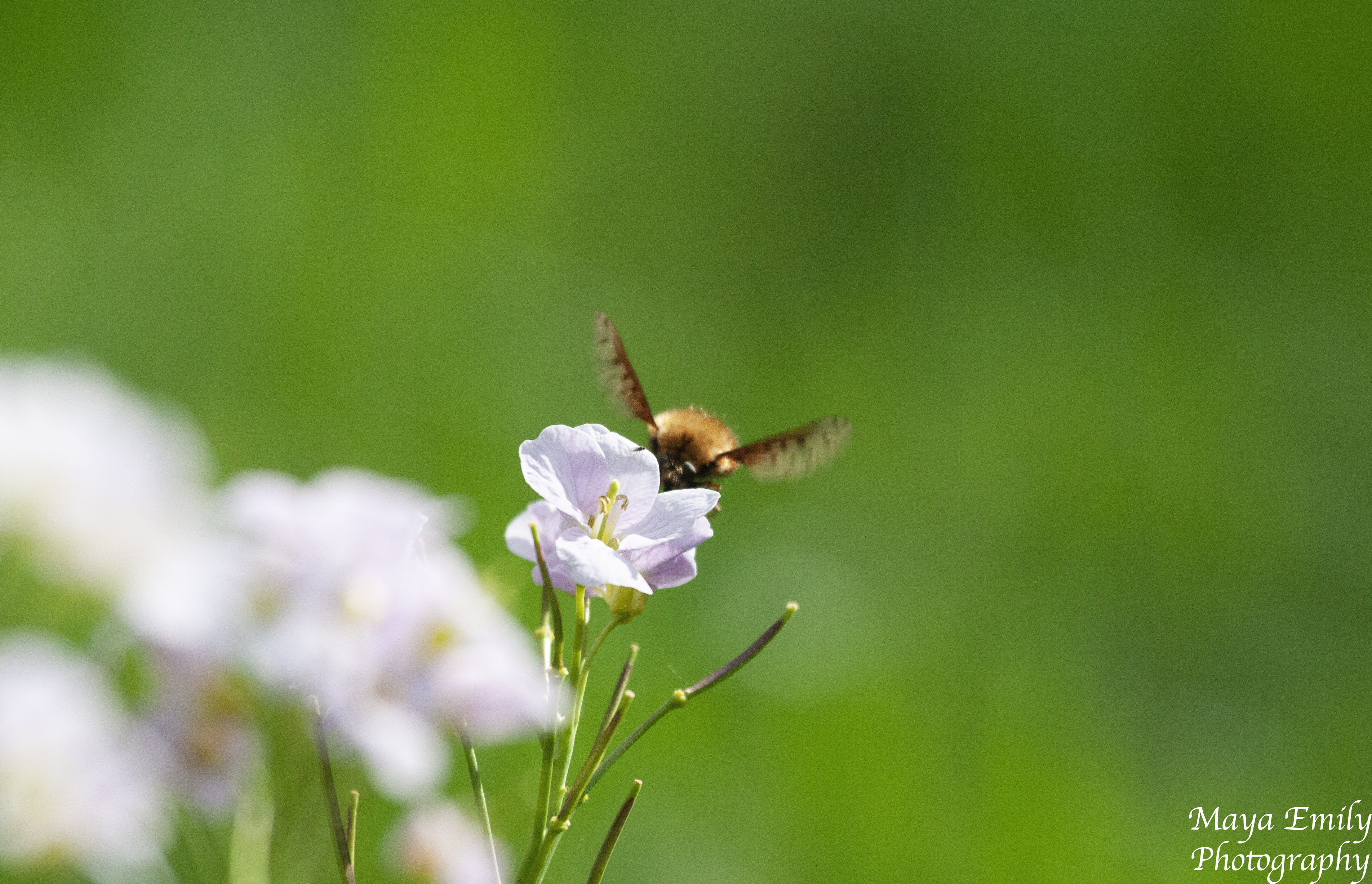
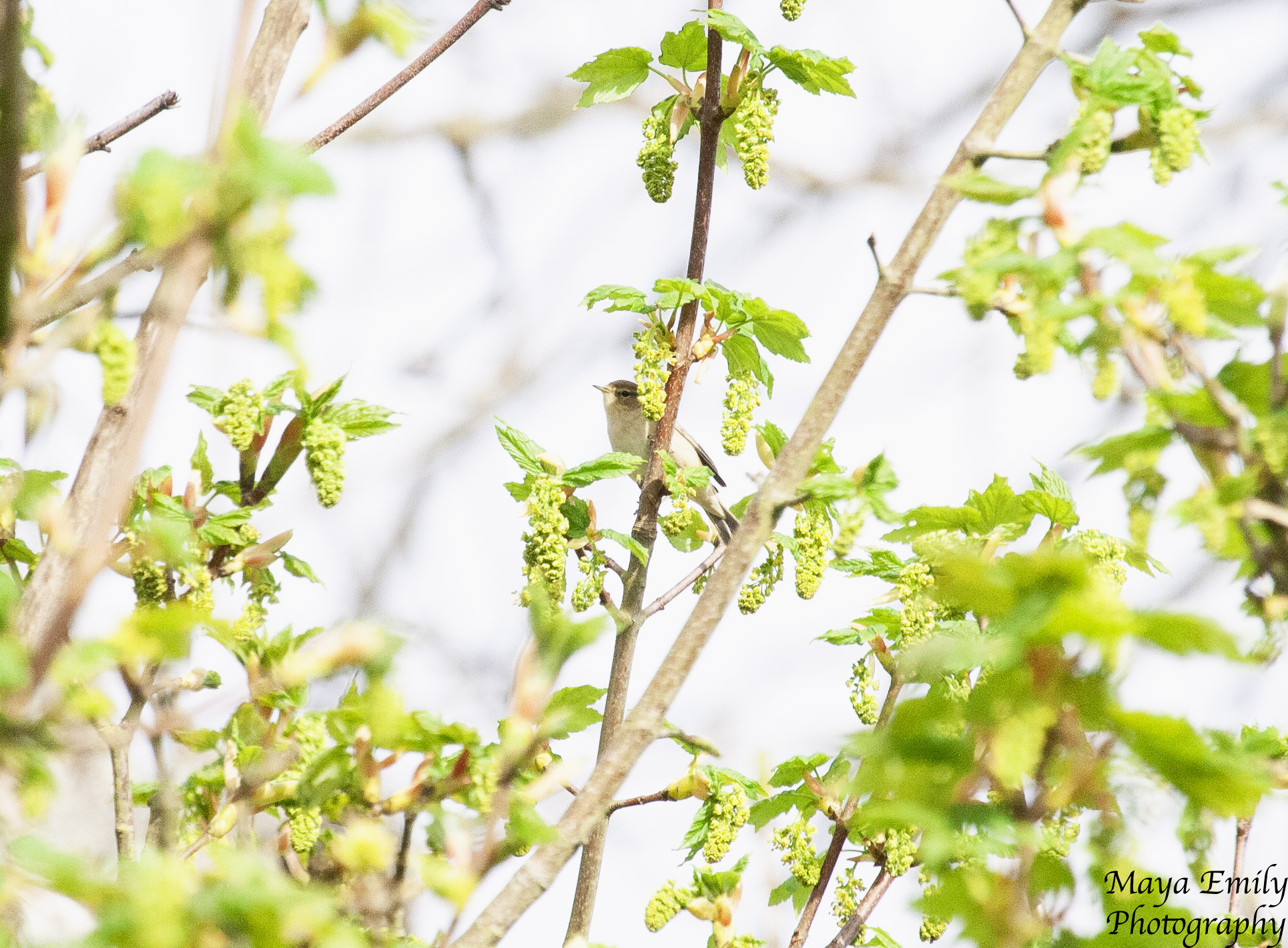
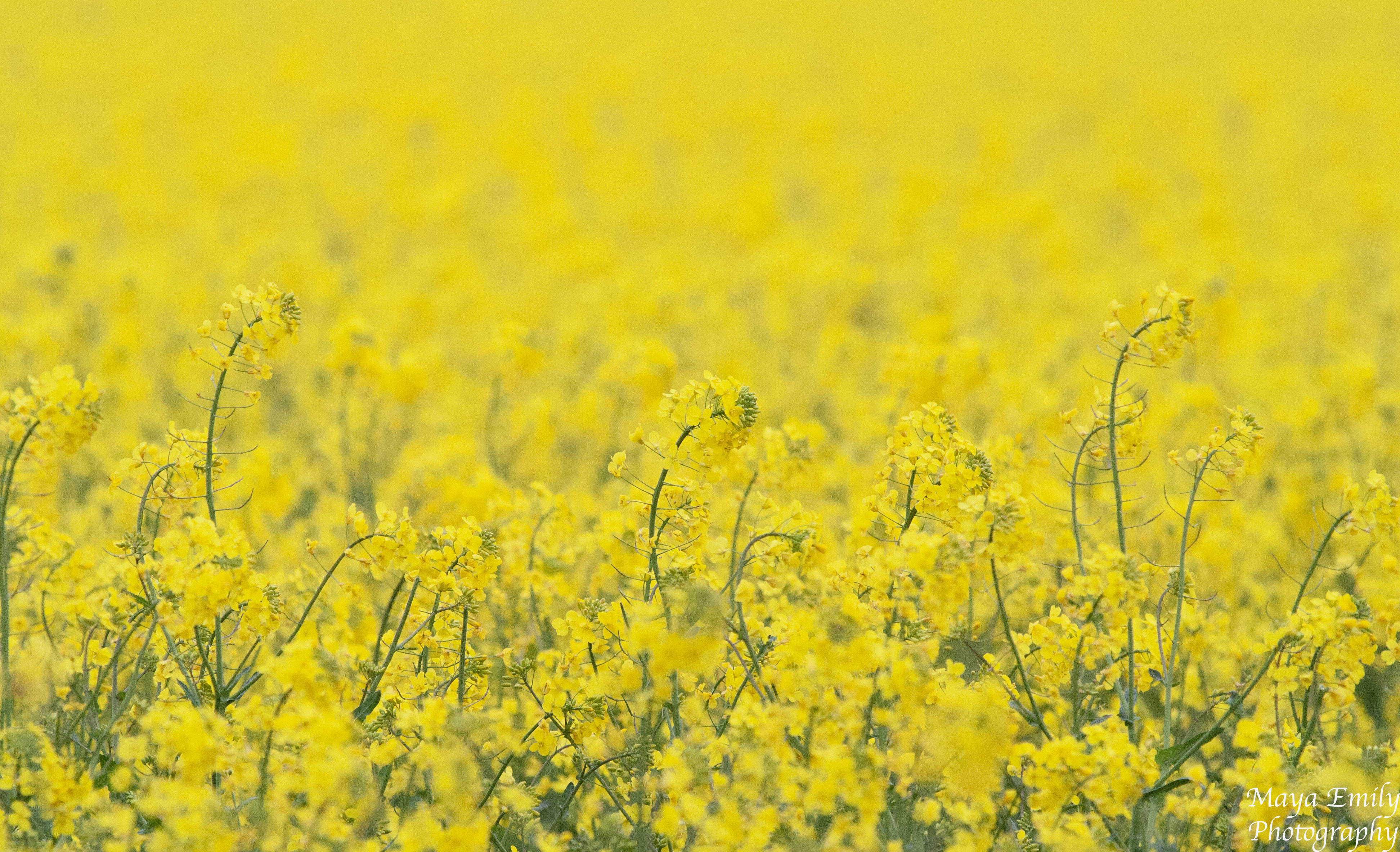
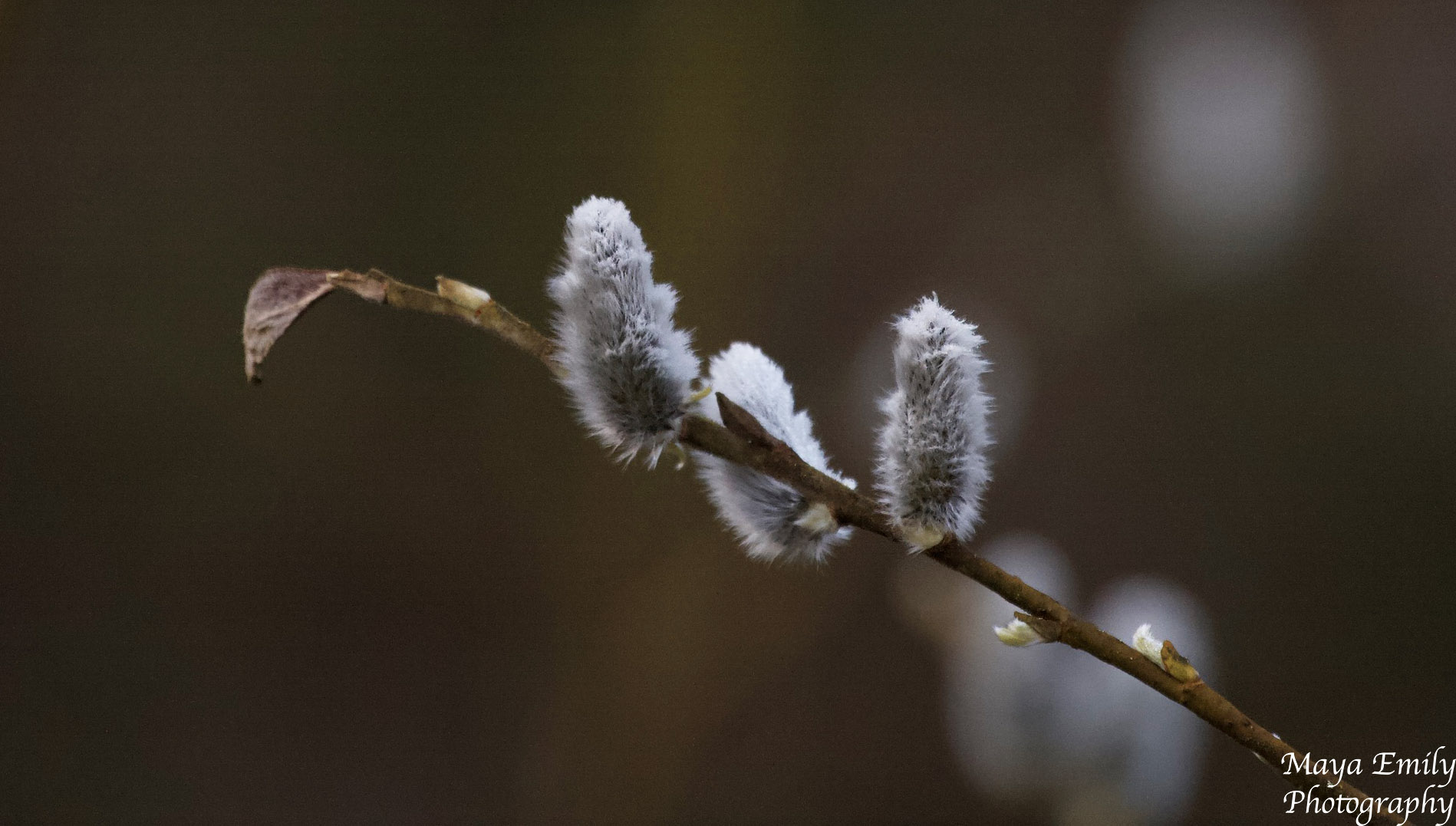
I hope you have enjoyed this week’s review, to end my ode to nature, I have selected a few of my photos that display the simple beauty of our natural world.


Happy reading!
 Happy Lifestyle Happy Living